

Upcoming Project
CHINNAMMA, CHENCHAMMA & MAHANANDI COLLEGE OF VETERINARY SCIENCES
Building the Future of Veterinary Education
A comprehensive veterinary education institution envisioned to advance animal healthcare, livestock development, clinical learning, professional training and community support.
Proposed Annual Intake: 80 Students
Project Overview
A Comprehensive Centre for Veterinary Education
Chinnamma, Chenchamma & Mahanandi College of Veterinary Sciences is a major upcoming institutional initiative envisioned as a modern and comprehensive centre for veterinary education.
The proposed college will provide high-quality academic instruction supported by laboratory learning, practical training, clinical exposure, livestock-based education, research orientation and student support services.
The institution is being developed through a carefully planned, phased programme that integrates academic infrastructure, qualified faculty, modern equipment, clinical facilities, livestock resources, digital learning systems, strong governance and long-term financial sustainability.
At a glance
Project at a Glance
Purpose
Our Vision
To establish a professionally planned, academically strong and comprehensively equipped veterinary college capable of providing high-quality veterinary education, practical training, clinical exposure and livestock-based learning for successive generations of veterinary students.
Advancing Veterinary Education. Strengthening Animal Healthcare.
Our Core Objectives
Existing Infrastructure
A Strong Foundation Already in Place
Significant progress has already been made in developing the institutional infrastructure, demonstrating the Promoting Organisation’s commitment to the establishment and long-term growth of the college.
| Infrastructure | Present Status |
|---|---|
| Administrative Building – 12,000 sq. ft. | Ready for occupation |
| Academic Building – 17,500 sq. ft. | Completed |
| Balance Phase-I Academic Building – 6,500 sq. ft. | Under completion |
| Total Phase-I Academic Building | 24,000 sq. ft. |
| Canteen – 2,000 sq. ft. | Ready |
| Hostel accommodation | Scheduled for completion by April 2027 |
| Hostel toilets and bathrooms | Scheduled for completion by April 2027 |
| Hostel kitchen and supporting facilities | Scheduled for completion by April 2027 |
| College buses | 2 buses with 38 seats each |
Academic and Learning Infrastructure
Designed for Academic Excellence
The academic infrastructure is planned to support classroom teaching, practical instruction, laboratory work, faculty activities, research and student learning.
- Modern lecture halls and classrooms
- Departmental teaching areas
- Practical laboratories
- Demonstration rooms
- Departmental offices
- Faculty rooms
- Research and academic support areas
- Central library
- Digital learning facilities
- Computer and IT facilities
- Clinical skills and simulation facilities
- Central instrumentation facilities
- Specialised veterinary education spaces
Lecture halls of approximately 750 sq. ft. each are proposed, subject to the final academic and building programme.
Library and Digital Learning Centre
Knowledge Supported by Modern Learning Resources
A dedicated Library and Learning Resource Centre of approximately 3,000 sq. ft. is proposed to serve students, faculty members and researchers.
The centre will provide:
- Veterinary textbooks and reference books
- Veterinary journals
- Digital databases
- E-learning resources
- Student and faculty reading areas
- Digital study facilities
- Library automation systems
- Modern academic learning resources
The physical and digital collections will expand progressively with the growth of the institution.
Veterinary Clinical Complex
Clinical Learning Connected to Animal Care
The Veterinary Clinical Complex will form one of the principal functional components of the proposed institution. It will integrate veterinary education, practical clinical training and animal healthcare services.
- Outpatient veterinary services
- Small animal clinical services
- Large animal clinical services
- Clinical examination and diagnosis
- Treatment and hospitalisation
- Surgical training and services
- Emergency veterinary care
- Diagnostic support
- Clinical teaching
- Case-based learning
- Practical student training
The complex will provide students with meaningful clinical exposure while supporting the delivery of valuable animal healthcare services.
Instructional Livestock Farm Complex
Learning Through Livestock-Based Experience
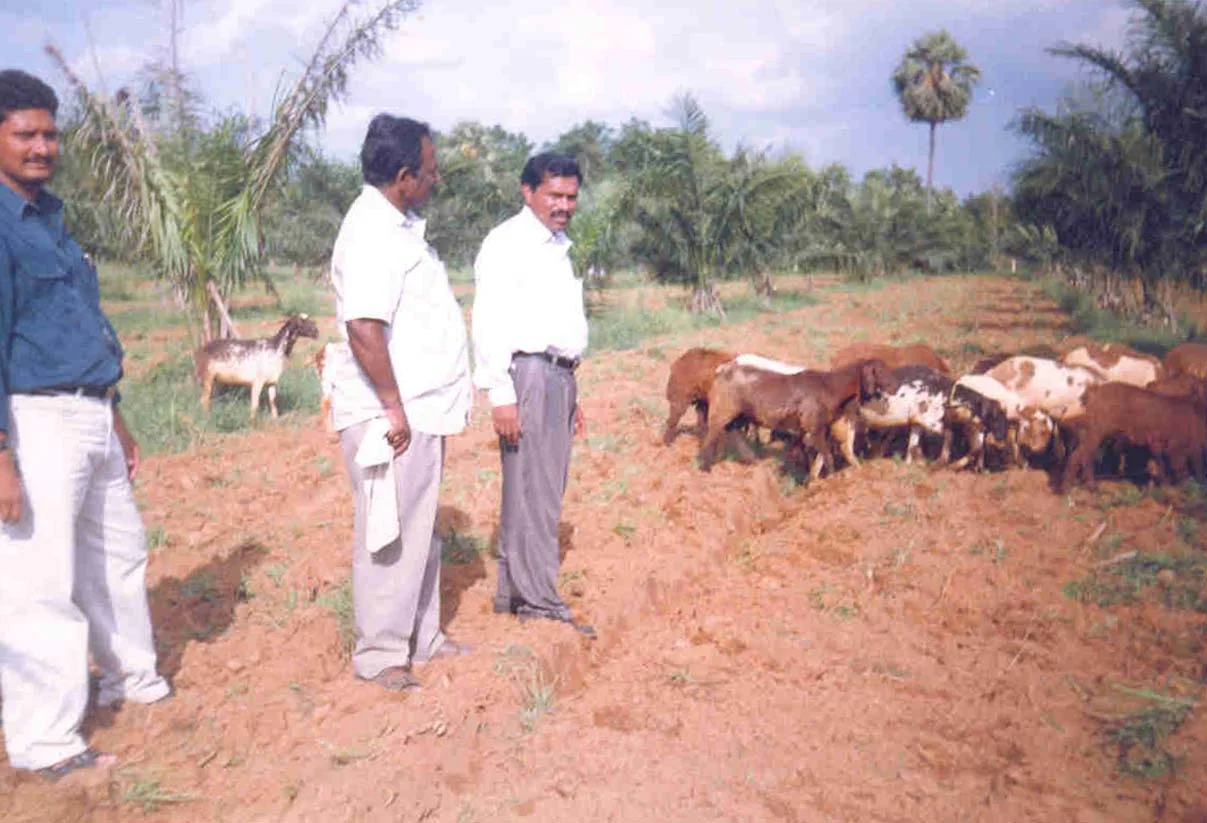
The Instructional Livestock Farm Complex will provide hands-on training in livestock production, breeding, nutrition, health and scientific farm management.
- Dairy cattle
- Buffaloes
- Sheep
- Goats
- Pigs
- Poultry
- Feed and fodder management
- Animal handling
- Farm equipment
- Farm administration
- Animal health management
- Waste management
- Biosecurity
- Practical student instruction
The complex will be developed with appropriate livestock populations, infrastructure, equipment and trained farm personnel.
Technology and Institutional Resources
Modern Equipment, Technology and Learning Systems
Equipment Programme
- Basic veterinary science departments
- Para-clinical departments
- Clinical departments
- Veterinary Clinical Complex
- Instructional Livestock Farm Complex
- Departmental laboratories
- Central instrumentation facilities
- Diagnostic facilities
- Clinical and surgical facilities
- Digital learning systems
Information Technology Programme
- Computer systems
- Campus networking
- Wi-Fi infrastructure
- Servers and data storage
- Learning Management Systems
- Academic and administrative software
- Library automation
- Digital classrooms
- CCTV and access-control systems
- Data backup
- Cybersecurity measures
The equipment and technology programmes will be implemented progressively in alignment with the institution’s phased development.
Faculty and Support Team
People at the Heart of the Institution
The manpower programme will support the progressive establishment and operation of the college in accordance with applicable veterinary education requirements.
Teaching Personnel
- Principal
- Professors
- Associate Professors
- Assistant Professors
- Other required teaching personnel
Technical and Support Personnel
- Administrative and accounts staff
- Establishment and records personnel
- Laboratory and technical personnel
- Library and IT staff
- Clinical support personnel
- Farm personnel and animal attendants
- Drivers and transport staff
- Security and housekeeping personnel
- Other essential support staff
Student Facilities
A Supportive Campus Experience
The campus is planned to provide students with a functional, safe and supportive residential and academic environment.
- Hostel accommodation
- Hostel toilets and bathrooms
- Hostel kitchen
- Canteen
- College transportation
- Library and reading spaces
- Digital learning facilities
- Student welfare systems
- Sports and recreational facilities
- Other essential campus services
Two college buses, each with a seating capacity of 38 students, have already been procured.
Phased Development Plan
A Clear Roadmap for Institutional Development
-
Phase I
Establishment and Academic Readiness
- Complete the remaining 6,500 sq. ft. of the Phase-I Academic Building
- Operationalise the Administrative Building
- Develop essential academic spaces
- Establish priority laboratories
- Procure essential equipment
- Deploy furniture and IT systems
- Establish the library
- Recruit essential faculty and staff
- Prepare for the commencement of academic activities
-
Phase II
Academic and Departmental Expansion
- Develop additional academic infrastructure
- Establish department-wise laboratories
- Expand equipment procurement
- Augment faculty and staff
- Develop advanced learning facilities
- Expand capacity in alignment with student growth
-
Phase III
Clinical and Livestock Infrastructure
- Develop the Veterinary Clinical Complex
- Develop the Instructional Livestock Farm Complex
- Procure clinical and farm equipment
- Establish livestock units
- Deploy clinical and farm personnel
- Develop diagnostic and practical training facilities
-
Phase IV
Advanced Institutional Development
- Establish advanced research infrastructure
- Develop central instrumentation facilities
- Create clinical skills and simulation facilities
- Implement advanced digital learning systems
- Develop auditorium and conference facilities
- Establish research and innovation facilities
- Support future academic expansion
Governance and Sustainability
Built for Responsible and Sustainable Growth
The proposed institution will operate through a structured governance framework connecting the Promoting Organisation, institutional leadership, academic departments and supporting services.
Governance priorities
- Strategic oversight
- Academic leadership
- Administrative management
- Financial control
- Transparent procurement
- Asset management
- Quality assurance
- Regulatory compliance
- Student welfare
- Institutional sustainability
Sustainability priorities
- Strong governance
- Adequate financial commitment
- Qualified manpower
- Systematic infrastructure development
- Functional clinical facilities
- Sustainable livestock and farm operations
- Preventive maintenance
- Academic quality assurance
- Continuous institutional improvement
Integrated Institutional Model
A successful veterinary institution is built through the integration of:
Infrastructure + Faculty + Equipment + Clinical Exposure + Livestock Resources + Academic Governance + Financial Sustainability
Chinnamma, Chenchamma & Mahanandi College of Veterinary Sciences is planned around this integrated model to create a future-ready environment for veterinary education, animal healthcare, applied learning and livestock-sector development.
Shaping the Next Generation of Veterinary Professionals
With substantial infrastructure already developed and a clear roadmap for academic, clinical, livestock and technological expansion, the proposed institution represents an important step towards advancing veterinary education, animal health, livestock development and community welfare.