Our Vision
An empowered, educated and self-reliant rural society
To create an empowered, educated and self-reliant rural society where every individual has the opportunity to learn, develop skills and build a better future.
About PARD
A social development organisation committed to empowering rural and economically disadvantaged communities through education, skill development, employment-oriented training and community development.
Who we are
Para Association for Rural Development (PARD) is a social development organization committed to empowering rural and economically disadvantaged communities through education, skill development, employment-oriented training and community development initiatives.
Established in 2004, PARD was founded with a vision to extend meaningful development opportunities to people from underserved sections of society, particularly those living in rural and remote areas. The organization focuses on creating pathways for individuals to improve their knowledge, skills, confidence and economic opportunities.
PARD’s approach is rooted in the belief that education and skills can become powerful instruments for social and economic transformation. Its initiatives have been designed to reach communities that may have limited access to quality education, modern technology, professional guidance and employment opportunities.
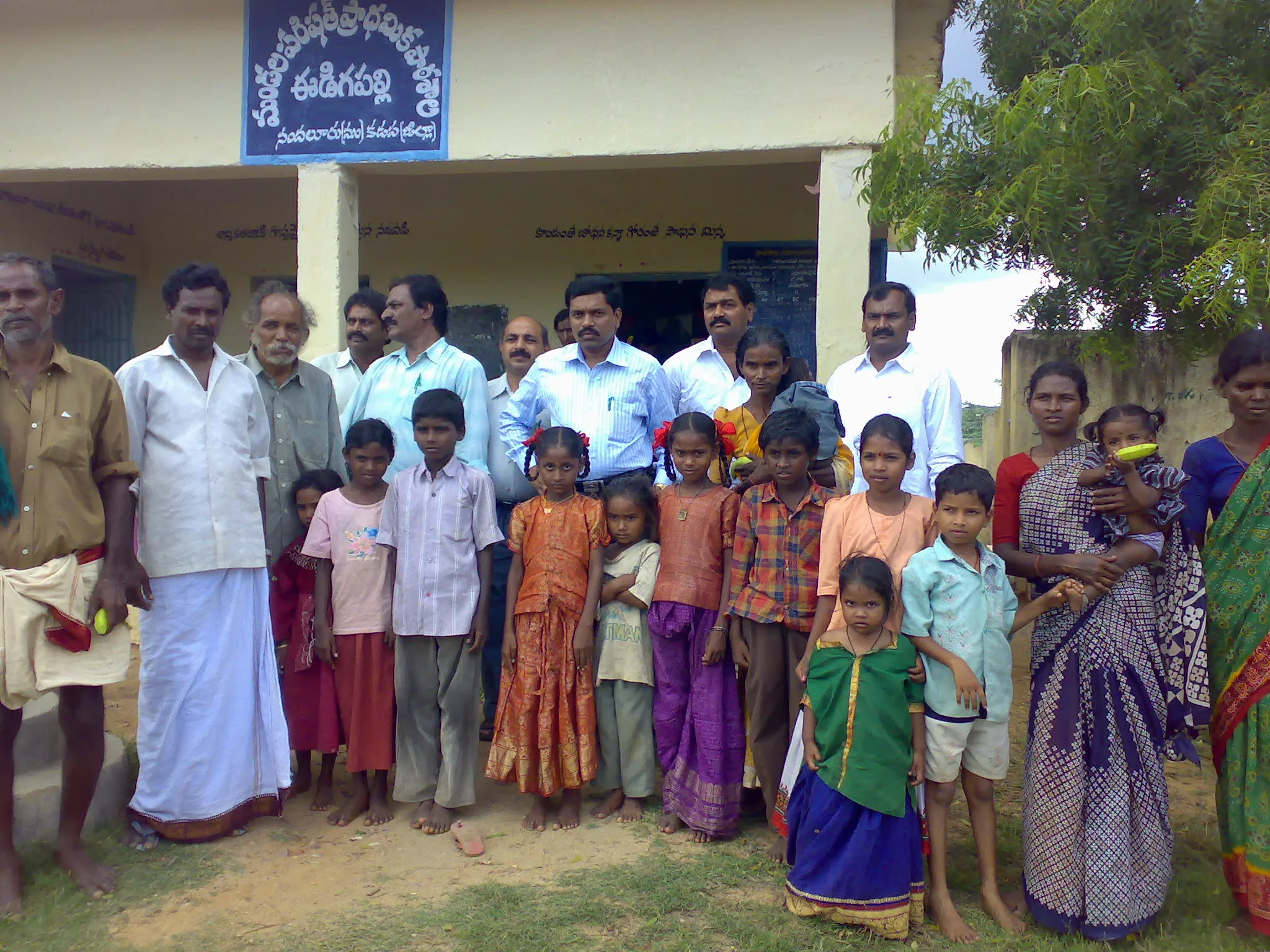
Our Vision
To create an empowered, educated and self-reliant rural society where every individual has the opportunity to learn, develop skills and build a better future.
Our Mission
Our areas of work
Education, technology, livelihoods, rural outreach and social welfare — designed to reach people who need them most.
PARD places education at the centre of its development philosophy, improving access to learning for students and young people from rural and economically disadvantaged communities. Skill-development initiatives include computer education, digital literacy and practical technology training — computer basics, internet operations, MS Word, MS Excel, PowerPoint, Tally, e-commerce, email and networking.
Computer-training initiatives are designed to bridge the digital divide between rural communities and a rapidly changing, technology-driven world. The model includes both stationary computer centres and mobile computer laboratories, so training can reach students in remote villages where conventional facilities are limited.
PARD equips unemployed and underprivileged youth with skills that support employment, self-employment and entrepreneurship. Objectives include developing technical capability, creativity, innovation, confidence and risk-taking, while building linkages with industries, financial institutions and government agencies.
The organization’s philosophy is to take opportunities beyond urban centres and into remote villages and underserved communities. Mobile computer laboratories travel to remote areas, particularly to support students who may find it difficult to reach conventional training centres.
Stated objectives extend beyond skill development to broader social welfare, including education, relief to the poor and persons with disabilities, medical relief and public-utility-oriented activities.
Our approach
PARD follows a practical and community-oriented approach to development.
The training model combines theory and practical learning, with emphasis on skills that are relevant to employment opportunities, entrepreneurship and local economic conditions. The organization also describes a Trainer–Motivator approach, where trainers maintain interaction with participants and provide guidance according to their developmental needs.
Where conventional training facilities are difficult to access, PARD has proposed mobile computer laboratories equipped with internet connectivity, power backup and educational facilities to bring training directly to remote communities.
Our commitment
PARD believes that development becomes meaningful when opportunities reach the people who need them most. Our commitment is to work towards:
Through this approach, PARD seeks to contribute to sustainable socio-economic development and help individuals and communities build stronger and more independent futures.
Leadership & experience
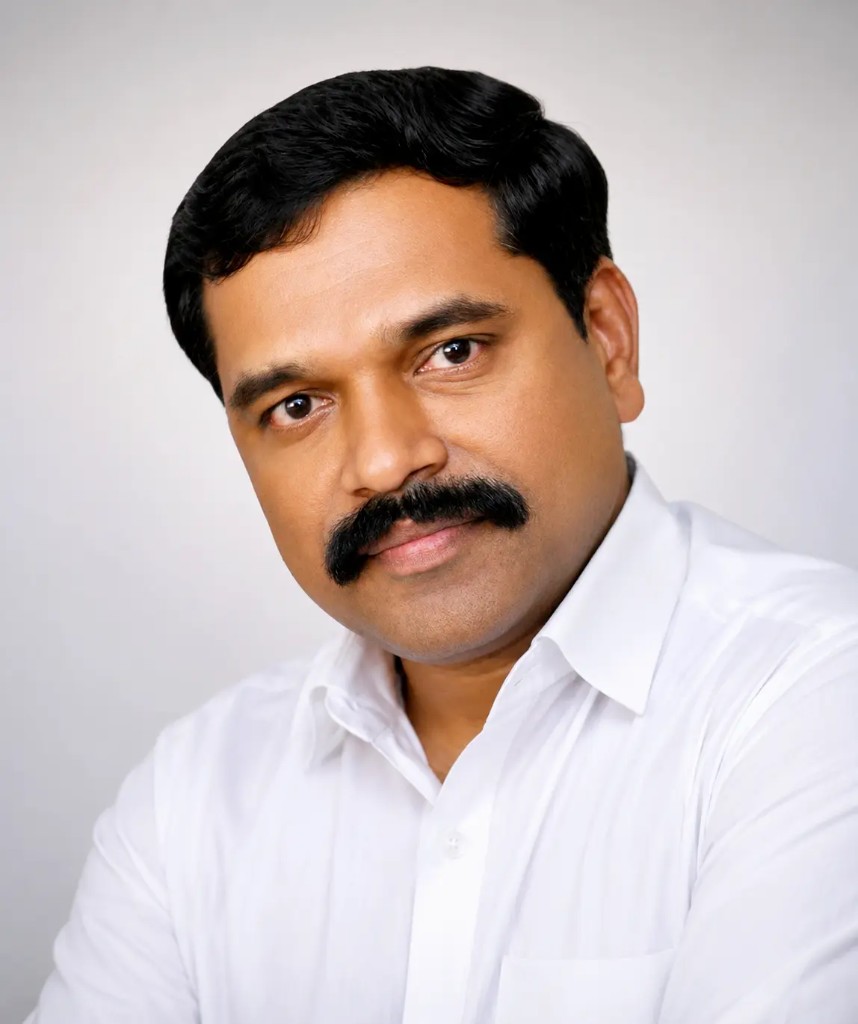
Honorary President
M.V.Sc., M.A. Education · Honorary President
Dr. P. V. Lakshmaiah brings experience with Andhra Pradesh Government development programmes, including APDPIP, APRPRP, Sarva Shiksha Abhiyan and women and child development initiatives.
Founder’s DeskPARD’s advisory board has included experienced civil servants:
PARD’s employment-oriented coaching has also included preparation for Civil Services and State Government competitive examinations, including Group 1, Group 2, Group 3 and SSC-CGL.
Reaching rural communities
One of PARD’s distinctive approaches is its emphasis on taking educational and technological opportunities directly to rural communities.
The computer-training programme envisages a network combining stationary computer centres with mobile computer laboratories, with the mobile model intended to serve remote villages. Mobile labs are described as covering villages within a radius of approximately 100–150 km.
Programme documentation also proposes computer-training infrastructure covering hundreds of villages and identifies both mobile and stationary centres as key components of the work.
Why PARD
Taking development opportunities closer to underserved communities.
Emphasising practical and employment-oriented knowledge.
Promoting computer education and digital literacy.
Working towards opportunities for disadvantaged and economically weaker communities.
Encouraging self-employment, innovation and enterprise development.
Working with communities, institutions and development stakeholders to create sustainable impact.
Empowering People. Transforming Communities. Building Futures.
PARD continues to work towards a future where geography, economic circumstances or lack of access do not become barriers to education, skills and opportunity.
By connecting people with knowledge, technology, skills and opportunities, PARD aims to contribute to a more educated, skilled, confident and self-reliant rural society.
Para Association for Rural Development (PARD) — working towards inclusive education, skill development and sustainable rural development.